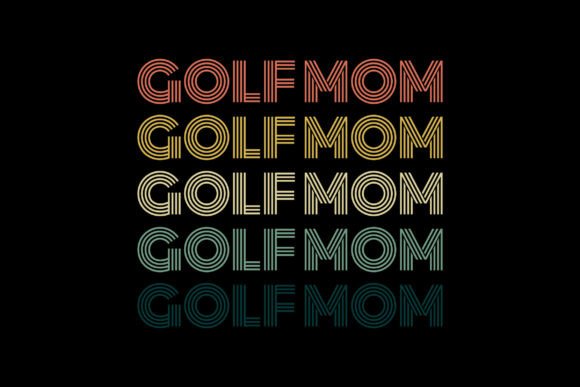
Retro Vintage Golf Mom T-shirt Design Review
As a designer who spends half my life staring at stitch charts and the other half troubleshooting tension issues on industrial machines, I don’t just look at an embroidery file; I look at its potential. When I pulled up the Retro Vintage Golf Mom T-shirt Design, my first instinct wasn’t to think about the file size or the format—it was to imagine it on fabric. Specifically, I imagined it on a soft, heathered grey sweatshirt being worn by a mother cheering from the sidelines of a local country club tournament. This review is less about the technical metadata and more about the practical reality of turning this digital asset into a tangible, sellable, or wearable piece of art.
The First Impression: Mood and Visual Personality
The moment you open the ZIP folder containing this design, the aesthetic speaks for itself. It leans heavily into nostalgia, tapping into that warm, faded-in-time vibe that has become incredibly popular in the handmade market right now. The term "Retro Vintage" isn't just a label here; it’s built into the line work and the implied color palette. For an embroidery designer, this is crucial because vintage styles often rely on distressed looks or softer curves rather than sharp, aggressive angles. This makes the design inherently forgiving during the stitching process.
The visual personality feels approachable and fun without being childish. It strikes a balance between a serious hobbyist’s pride and a casual, supportive mom energy. In my experience, designs that capture this specific emotional niche tend to perform exceptionally well in craft business settings. They aren’t just decorative; they are identity markers. When a customer buys a finished product featuring this motif, they are buying into a lifestyle—the weekend morning coffee, the practice range, the post-game snack. Understanding this narrative helps us place the design correctly on garments and accessories.
Real-World Application: Where Does This Design Shine?
I’ve tested various motifs across different mediums, and the Retro Vintage Golf Mom T-shirt Design shows remarkable versatility. While the title suggests a t-shirt, limiting it to that single garment would be a missed opportunity. Let’s look at how this design performs in real-life scenarios beyond standard apparel.
- Custom Apparel and Sweatshirts: This is the most obvious application. On a crewneck sweatshirt, the retro theme pairs perfectly with heavier cotton blends. The design likely utilizes a mix of satin stitch for outlines and fill stitch for broader areas, which holds up beautifully against the texture of fleece or heavy jersey. It creates a professional, boutique-quality finish that customers expect when paying premium prices.
- Tote Bags and Canvas Accessories: Imagine this embroidered on a sturdy canvas tote bag. The contrast between the rugged fabric and the detailed embroidery adds depth. For an Etsy seller, this is a high-demand item. The design’s layout appears balanced enough to sit prominently on the front panel without overwhelming the utility of the bag. It transforms a simple shopping accessory into a statement piece.
- Baby Embroidery and Nursery Decor: Don’t overlook the smaller applications. A scaled-down version of this design works wonderfully on baby onesies or muslin blankets. The "Mom" aspect resonates deeply with new parents looking for personalized gifts. However, scaling down requires careful attention to stitch density to ensure details don’t get lost in the thread.
- Embroidered Patches and Caps: For hat makers, this design offers great potential for structured caps like dad hats or trucker hats. The curved brim provides a natural frame for the graphic. Additionally, creating a patch version allows for appliqué integration, adding another layer of texture and professionalism to the final product.
Technical Considerations and Stitch Clarity
When evaluating any machine embroidery design, clarity is king. The Retro Vintage Golf Mom T-shirt Design relies on distinct shapes that should translate well to thread. However, as we move from screen to fabric, several factors come into play.
Stitch Density and Hoop Size: One of the critical aspects of any embroidery project is ensuring the stitch density matches the fabric weight. If this design features dense fill stitches, it will require a stable base. Using the wrong stabilizer can lead to puckering, especially on lightweight t-shirt fabrics. Before committing to a large production run, always test the design on scrap fabric that mimics your end product. Check the hoop size requirements carefully; if the design is large, you’ll need a multi-needle machine or a hooping system that accommodates bigger dimensions to maintain registration accuracy.
Thread Colors and Contrast: The vintage aesthetic often calls for muted tones—mustard yellows, dusty blues, faded reds. These colors can sometimes lack contrast against similar fabric shades. I strongly recommend testing the design in black and white mockups before selecting your threads. This helps identify if the shape definition holds up without the help of color. If the design relies on subtle shading, ensure your thread selection provides enough difference between the background and the foreground elements.
Where to Use With Caution
No design is perfect for every surface. There are specific scenarios where the Retro Vintage Golf Mom T-shirt Design might struggle if not handled with care.
- Small Hoop Sizes: If you attempt to digitize or stitch this on a very small hoop, fine details may merge together. Tiny lettering or intricate graphical corners can become illegible blobs if the resolution is too low.
- Textured and Stretchy Fabrics: While it works well on standard knits, highly textured fabrics like bouclé or extremely stretchy spandex blends can distort the geometry of the design. The fabric movement can cause the stitches to pull unevenly, ruining the clean lines essential for a professional look.
- Dense Stitch Areas on Thin Fabric: If the design includes large blocks of solid fill, placing it on thin, delicate fabric without adequate backing can result in visible stiffening or even tearing over time. Always use a cut-away stabilizer for durability, especially for items that will undergo frequent washing.
Impact on Product Value and Brand Consistency
For small shop owners and creative entrepreneurs, the choice of design directly impacts perceived value. A well-executed embroidery project using a cohesive theme builds trust. The Retro Vintage Golf Mom T-shirt Design fits seamlessly into a brand focused on lifestyle, family, and leisure. It signals quality and attention to detail.
When presenting this as a handmade product, the presentation matters. Using printable mockups that showcase the design on realistic garments helps buyers visualize the final outcome. It reduces uncertainty and increases conversion rates. Furthermore, consistency in style—using similar vintage-themed assets across your catalog—helps establish a recognizable brand identity. Customers return to shops that feel curated and intentional.
Practical Designer Notes for Success
To get the best results from this digital embroidery file, follow these practical steps:
- Test First: Never assume a design will work perfectly out of the box. Run a test stitch on your actual fabric type.
- Check Licensing: Before selling finished items, confirm the licensing terms. Ensure you have commercial rights to produce and sell goods made from this design.
- Inspect Details: Zoom in on the digital preview. Look for any overlapping paths or unnecessary jumps that could cause trimming issues.
- Choose the Right Stabilizer: Match your stabilizer to the fabric. Tear-away for wovens, cut-away for knits and stretchy materials.
- Verify Thread Compatibility: Use high-quality polyester or rayon threads to ensure the sheen and strength match the vintage aesthetic.
In conclusion, the Retro Vintage Golf Mom T-shirt Design is a strong candidate for anyone looking to expand their craft business offerings. It hits the sweet spot of emotional resonance and aesthetic appeal. By paying attention to the technical nuances of stitching and placement, you can transform this digital asset into a cherished personalized gift or a profitable small shop product. It’s not just a design; it’s a foundation for creating meaningful connections through handmade goods.